


Greece in October: What the Aegean Looks Like When No One's Rushing
Something changes in the Aegean once September ends. The heat loosens its grip, the ferries carry fewer people, and the islands settle into a pace that has little to do with summer. For travelers who have only seen Greece in July or August, Greece in October is a different country wearing familiar names.
The sun still warms café tables in the afternoon, the sea carries much of the heat it gathered over summer, and blue skies are hardly unusual. Yet something feels different. The ports are calmer, village streets have more room to breathe, and lunch has a habit of lasting a little longer than planned.
Across the SEAJETS network, destinations such as Santorini, Naxos, Paros, Mykonos and Crete take on a noticeably slower rhythm. For travellers happy to exchange peak-season intensity for a little more spontaneity, October can be one of the most interesting times to discover them.
Why Visit Greece in October?
The short answer is timing. October belongs to Greece's shoulder season, the period between the height of summer and the quieter winter months. The sea holds its summer warmth well into the month, even as the air cools enough to make walking, not just swimming, part of the day again.
Ferries cost less than they do in peak season, and rooms that were booked out in August are easier to find on short notice.
The longer answer is about space. Away from the handful of islands that stay busy year-round, October thins out the queues at archaeological sites and there is more time for sightseeing, the waitlists at tavernas, the crowds at sunset spots that summer visitors plan their whole evening around. What's left is closer to how the islands actually function outside of peak tourist months. Slower, but not staged for anyone in particular.
Worth naming early: by late October, some destinations begin moving more clearly towards the off-season and there are fewer sailings on some routes, shorter opening hours in places, a handful of businesses closed for the season. Tickets and routes stay bookable year-round. What changes is frequency, not availability. October is not a quieter version of August. It's a different month, with its own logic, and for a certain kind of traveler: one who prefers a working port to a full one, that logic tends to hold up.
Athens, Before the Sea
Most routes through the Seajets network still begin where they always have: Piraeus, sometimes Rafina. Athens in October is easier to move through. The climb to the Acropolis no longer competes with midday heat, and the view from the top holds the same weight it always has, minus the crowd pressing in from behind. Below it, Plaka thins out. Fewer tour groups, more room for the neighborhood to be itself.
The city's museums follow the same pattern. The Acropolis Museum, and the smaller collections scattered through the center, are worth a slower visit in October, when a room doesn't require patience to see properly. A day or two in Athens before boarding a ferry is time well spent, if there's room for it, and for travelers coming from further north, starting in Thessaloniki and working down to Athens before heading out to the islands is a reasonable way to open the trip.
The Cyclades, With Fewer People
From Piraeus, the routes into the Cyclades islands still run in October, though on a lighter schedule than the daily summer sailings. October is not July or August, and ferry frequency should not be treated as though the full summer timetable continues unchanged. SEAJETS ferry services operate on selected routes during the month, but frequencies taper as the season progresses and some connections may operate less often.
Santorini remains a fixture of the itinerary. Fira's caldera views are less contested at sunset. There's usually a place to stand, or sit, without arriving an hour early.
Mykonos changes more visibly. Its nightlife, so central to the island's summer identity, quiets down considerably by October, and what's left is closer to ordinary island life: long lunches, empty stretches of beach, streets that aren't performing for anyone. Paros and Naxos follow a similar shift. Naxos Town, with its Venetian quarter and the unfinished marble gate of the Portara, is easier to take in without the summer traffic. Further out, islands like Sifnos, Milos, and Syros are worth the detour for travelers doing any island hopping. The ferries have space, and so do the villages.
Naxos: An Island Made for Autumn
Few Cycladic destinations fit October as naturally as Naxos.
Begin in Naxos Town, where the waterfront leads into a maze of narrow streets climbing towards the old castle. As evening approaches, a walk towards the Portara remains one of the simplest pleasures on the island: sea on both sides, the town behind and the last light settling over the Aegean.
But October is also a good reason to travel inland.
Naxos is dotted with mountain villages, olive groves and walking routes that reveal a very different landscape from the coast. Halki, Filoti and Apeiranthos make natural stops on a day away from the beach, each offering its own architecture, food and pace of life.
This is also where cooler weather earns its place. Paths that can feel demanding beneath the August sun become far more inviting in autumn.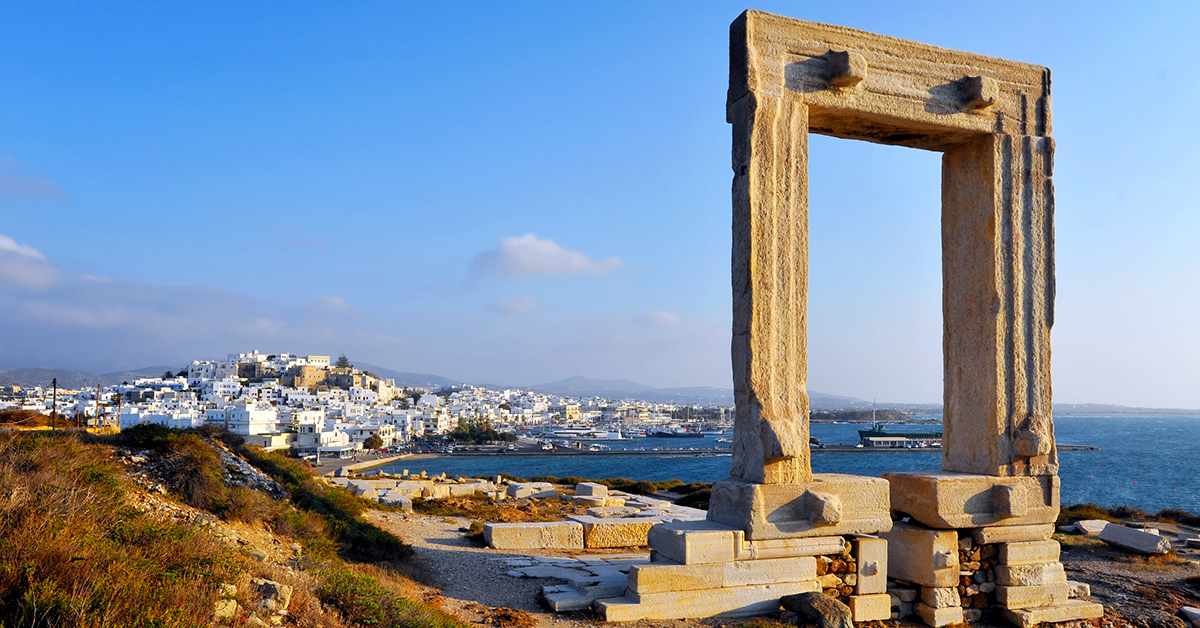
Paros when there is time to wander
Summer gives Paros an unmistakable energy. October leaves more room to see what sits underneath it.
Naoussa is still one of the island's most attractive places for an evening walk, but without the same peak-season rush. Parikia combines its waterfront with winding lanes and the historic Panagia Ekatontapiliani, while inland villages such as Lefkes offer a quieter change of scenery.
The famous summer nightlife naturally becomes quieter as October progresses, and some seasonal venues close. Yet restaurants, cafés and local life remain, particularly in the larger settlements.
For many autumn travellers, that balance is exactly the attraction.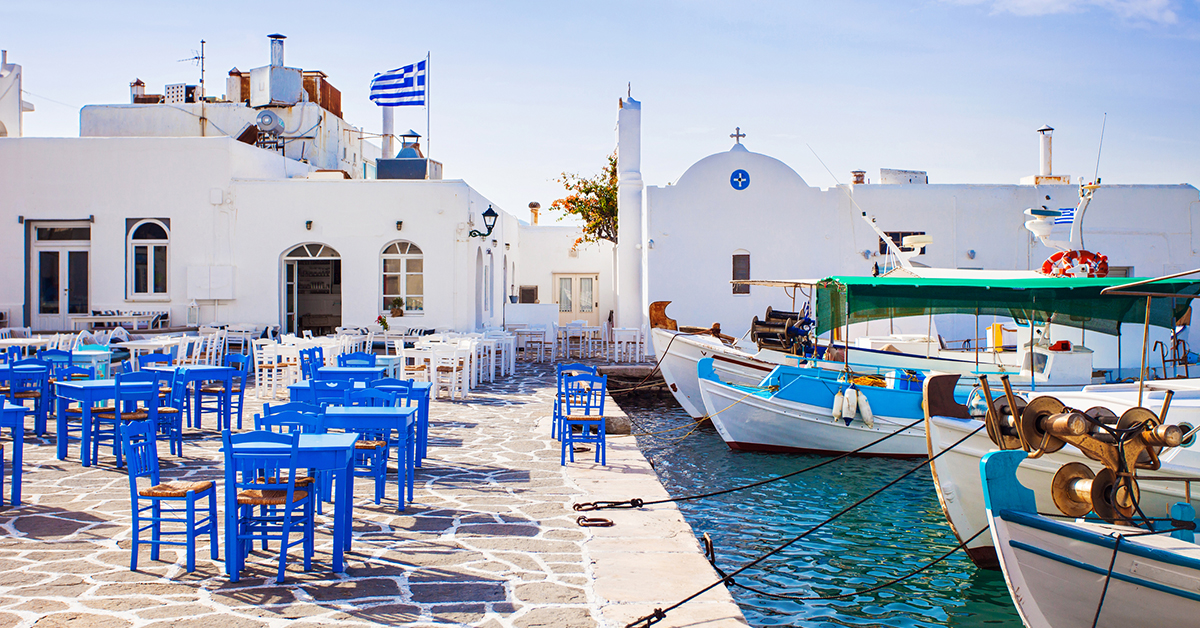
Santorini After The Summer Rush
The views do not become any less impressive in October.
Walking through Fira is easier when pavements are less crowded, while the paths and viewpoints overlooking the caldera can be enjoyed at a more relaxed pace. Oia remains a favourite around sunset, but autumn makes it easier to look beyond the single famous moment and spend time simply exploring.
Pyrgos and Megalochori offer quieter village streets, while Ancient Akrotiri and Santorini's wineries add history and local flavour to days when the weather is less suited to the beach.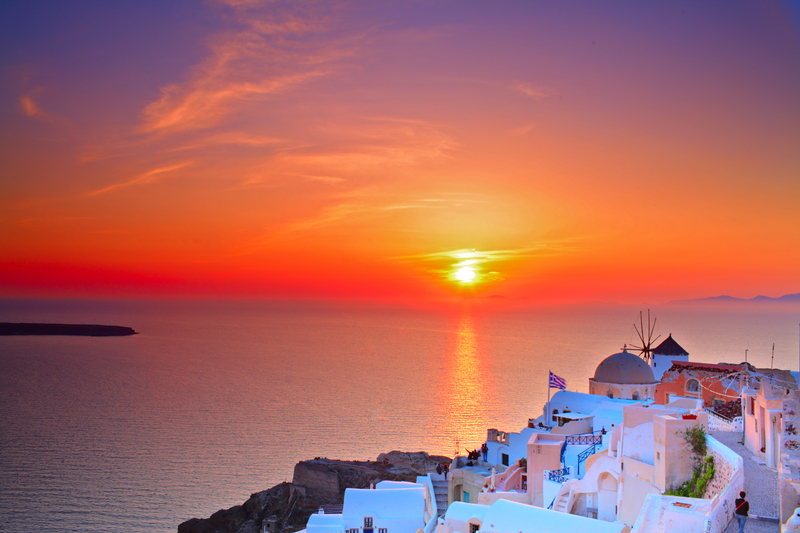
Mykonos With The Volume Turned Down
Mykonos changes more visibly. Its nightlife, so central to the island's summer identity, quiets down considerably by October.
Some beach clubs and seasonal businesses reduce their hours or close altogether. What remains is a side of Mykonos that can be surprisingly easy to overlook in summer.
Mykonos Town becomes a place to wander rather than somewhere to navigate through crowds. Small churches appear between whitewashed houses, bougainvillea spills over balconies and narrow lanes occasionally open onto an unexpected view of the sea.
Beyond town, Ano Mera offers a slower atmosphere, while the beaches can still be worth visiting simply for a walk by the water, even when the day is not made for swimming.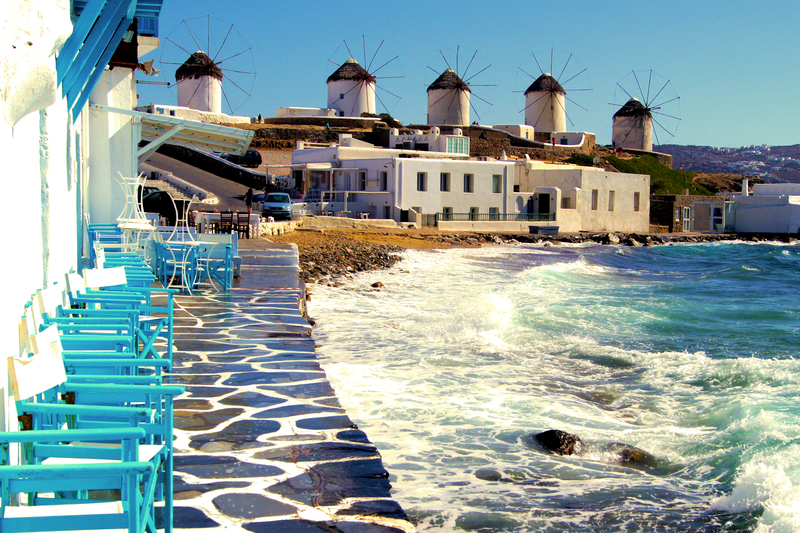
Crete, Off the Coastline
Crete in October pulls attention away from its beaches and toward everything else. The SEAJETS network reaches it through Heraklion and Rethymno, both well connected to the mainland and the islands beyond. This is the month when the island's mountain villages and archaeological sites, Knossos among them, feel less like stops on a route and more like places.
Hiking the Samaria Gorge, accessible from the Chania area, is one of Crete's better-known routes, though October sits near the edge of the gorge's typical season, worth confirming locally before setting out, since access can close earlier than expected. Chania itself, with its Venetian harbor, suits the month well: warm enough to swim, cool enough to walk without minding it.
Rethymno offers a quieter version of the same trade. Its old town mixes Venetian and Ottoman influences, with small streets, courtyards and the Fortezza overlooking the coast. October temperatures make exploring on foot considerably more comfortable than during the hottest weeks of summer.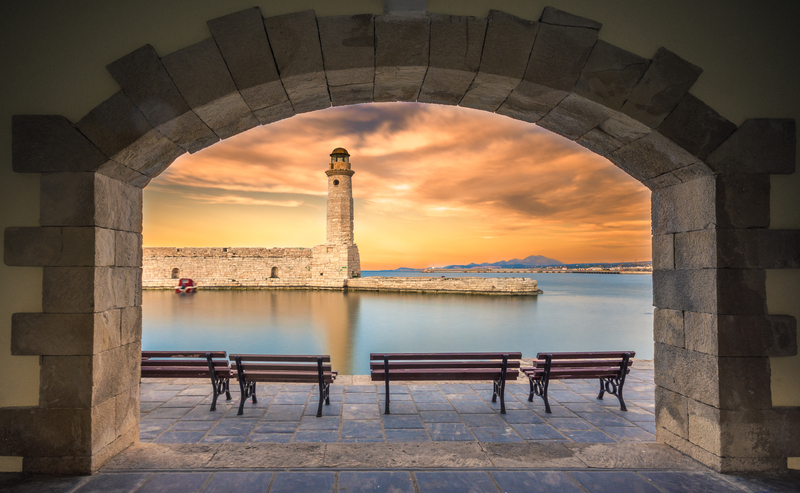
Can you go island hopping in October?
Absolutely, but a little flexibility helps.
An October Greek island itinerary works best when it leaves room between connections rather than trying to recreate the fast pace of peak-summer island hopping.
For an October trip, it also helps to think geographically. Destinations such as Corfu and Zante in the Ionian Sea, or the Dodecanese islands of Kos and Rhodes (including places such as Lindos) do not form part of the SEAJETS island-hopping network covered in this guide. Combining them with a Cycladic itinerary is difficult and would therefore require more planning.
For a smoother journey, it makes more sense to focus on destinations connected within the SEAJETS network, such as Mykonos, Paros, Naxos and Santorini, and build the itinerary around the actual October timetable. But the order and number of islands should be based on the actual ferry timetable available for the chosen dates.
This becomes increasingly important later in the month.
Ferry schedules shift steadily through October, which makes it worth checking timetables before settling on a route, and worth building in some flexibility. Local bus services on the islands run on a lighter schedule too, and are best planned around rather than assumed.
October travel is still easy to enjoy. It simply rewards planning the essentials and leaving the rest open.
A different way to experience the Greek islands
What October takes away in frequency, it tends to give back in something closer to daily life. For travellers who do not need every beach bar open or every day to guarantee sunshine, October can reveal a calmer and surprisingly rewarding side of the Greek islands.
Before travelling, check the latest SEAJETS routes and availability for your exact October dates and plan your next island escape at a pace that suits the season.